FIELD JOURNALPrevention and storage
Bugs in cardboard boxes: inspect the item and its contents separately
A practical record for an insect found in stored or incoming boxes, without assuming what it feeds on.
IN BRIEF
Record the insect, contents, and known storage history separately. Finding an insect in cardboard does not prove it feeds on the box or arrived with a particular shipment.
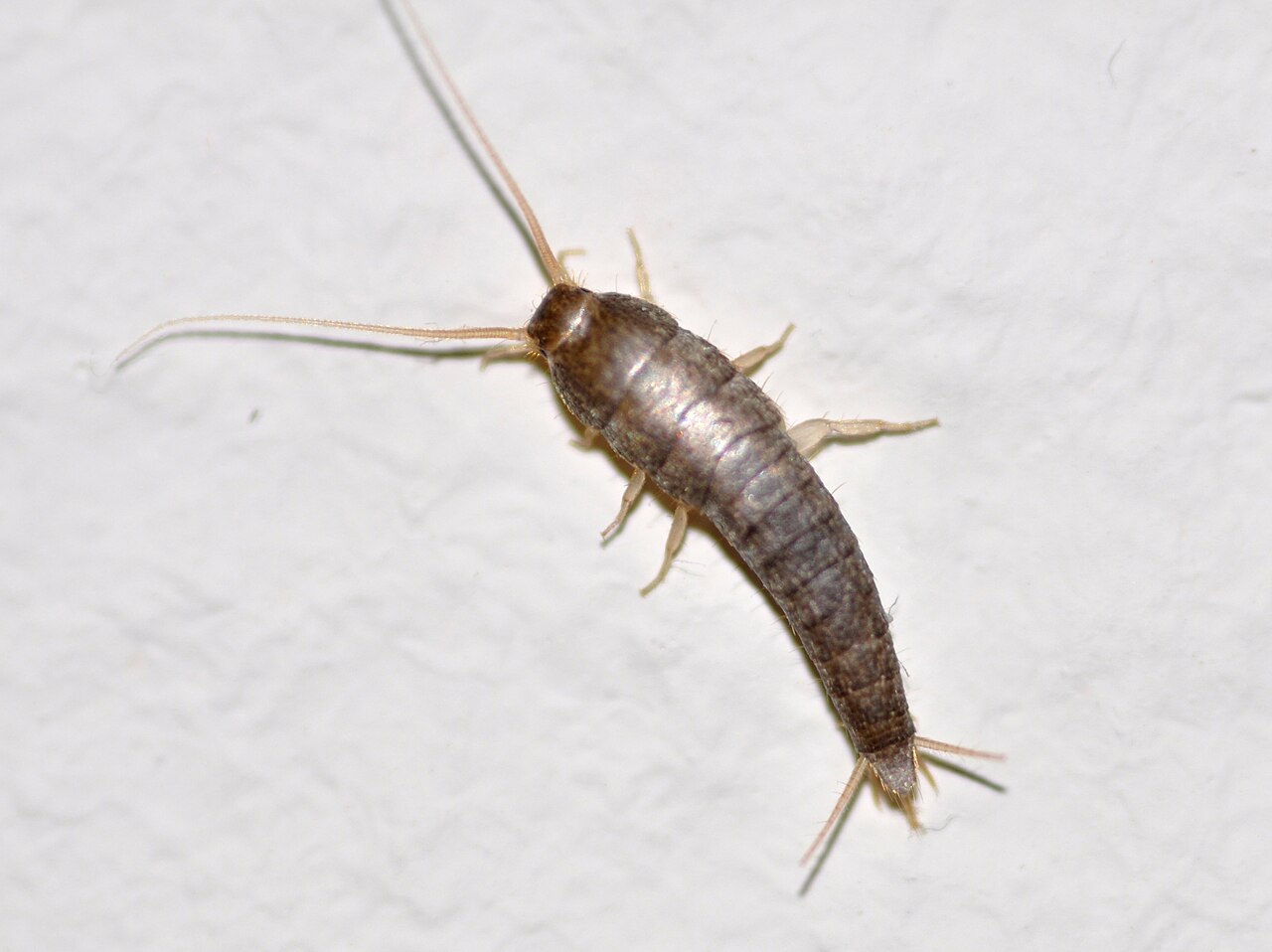

An insect in a cardboard box may be associated with the contents, the storage conditions, or a temporary hiding place. The box alone does not establish what the insect eats. Record both the packaging and what was stored inside before selecting a guide.
Avoid spreading an unresolved finding
Do not carry a suspect box through several rooms simply to obtain better light. Keep the observation associated with its current location and ask for identification when the specimen is unclear. Follow appropriate food or item-care guidance if contents are affected.
Do not spray packaging or belongings with a product chosen only from an internet photo match.
Use the contents to organize the check
An accessible box can be recorded without emptying its contents across several rooms. Label the box, photograph the finding and note the item category. Maryland Extension’s silverfish reference is useful when paper-associated damage and a silverfish-like body are involved; it cannot identify every insect in packaging.
| Contents | Evidence worth recording | Useful next comparison |
|---|---|---|
| Dried food or pet food | Actual insects, larvae, webbing or damaged packaging | Pantry larva guide |
| Natural-fiber garments | Item-specific larvae, skins and damage | Closet workflow |
| Paper or books | Body shape plus damage photographed separately | Silverfish guide |
| Mixed household objects | Whole-insect image and exact object it was on | Clue finder or extension identification |
The table suggests a route to investigate. It does not prove an insect feeds on the contents, and it is not a complete list of organisms that can occur in stored items.
Record a move without claiming an origin
Write down the date the box entered its current room, its known previous storage location, and whether it was opened before the finding. If you do not know the warehouse, seller or earlier owner’s conditions, leave that history unknown.
An illustrative note is: “Box P3 opened in garage on September 24; insect photographed on inner flap; paper contents not yet examined; prior storage unknown.” This is clearer than naming a delivery company as the source. Discovery location and introduction route are separate questions.
Decide what can be handled now
If suspected rodent or wildlife waste is present, stop the ordinary unpacking check and use the garage waste workflow or qualified advice. If there is a visible insect on an otherwise accessible item, request identification before choosing a pest treatment. Ask for item-specific handling advice when moving the box could spread an unresolved finding.
Keep food decisions separate from textile or paper care. Do not spray an entire mixed box as though every object has the same use or treatment requirements. Record any item removed, cleaned or discarded and why that action was taken.
After the question is resolved, retain the box label in the notes even if the packaging is discarded. Later sightings can then be compared with an actual record rather than a memory that “some box had bugs.”
Build a useful handoff
Provide the identifier with the original image, approximate body length, box contents, and known storage history. Ask whether the insect’s identity explains the contents damage or whether those observations may be unrelated.
Save the answer and any recommended checks in field notes. Later boxes should receive their own observations. A single specimen in one box cannot establish that all stored possessions are affected, and a clean-looking box cannot prove that its contents have been fully examined.
Common questions
Does the box location show what the insect eats?
No. The insect may relate to the contents, the conditions, or a temporary hiding place. Identification comes first.
Should I move the box through the house for better light?
Avoid spreading an unresolved finding. Photograph in its current accessible location and request identification when needed.
Can I identify the pest from holes in the cardboard?
Packaging damage alone may have several causes. Record an actual insect or associated evidence and keep the cause provisional until assessed.
Should I spray all the contents of a suspect box?
No. Mixed contents have different uses and care requirements. Identify the finding and obtain appropriate item-specific advice before choosing any treatment.
Sources and further reading
The observation checklists are our editorial organization of the topic. Linked organizations have not reviewed or endorsed this article.