FIELD JOURNALWorking with professionals
A cockroach in an apartment: make a useful maintenance report
Record sightings and physical evidence clearly so an apartment inspection can be coordinated.
IN BRIEF
Give maintenance a dated location record and clear physical evidence, with unknowns stated plainly. Ask for identification, inspection scope, and follow-up instructions without assigning blame.
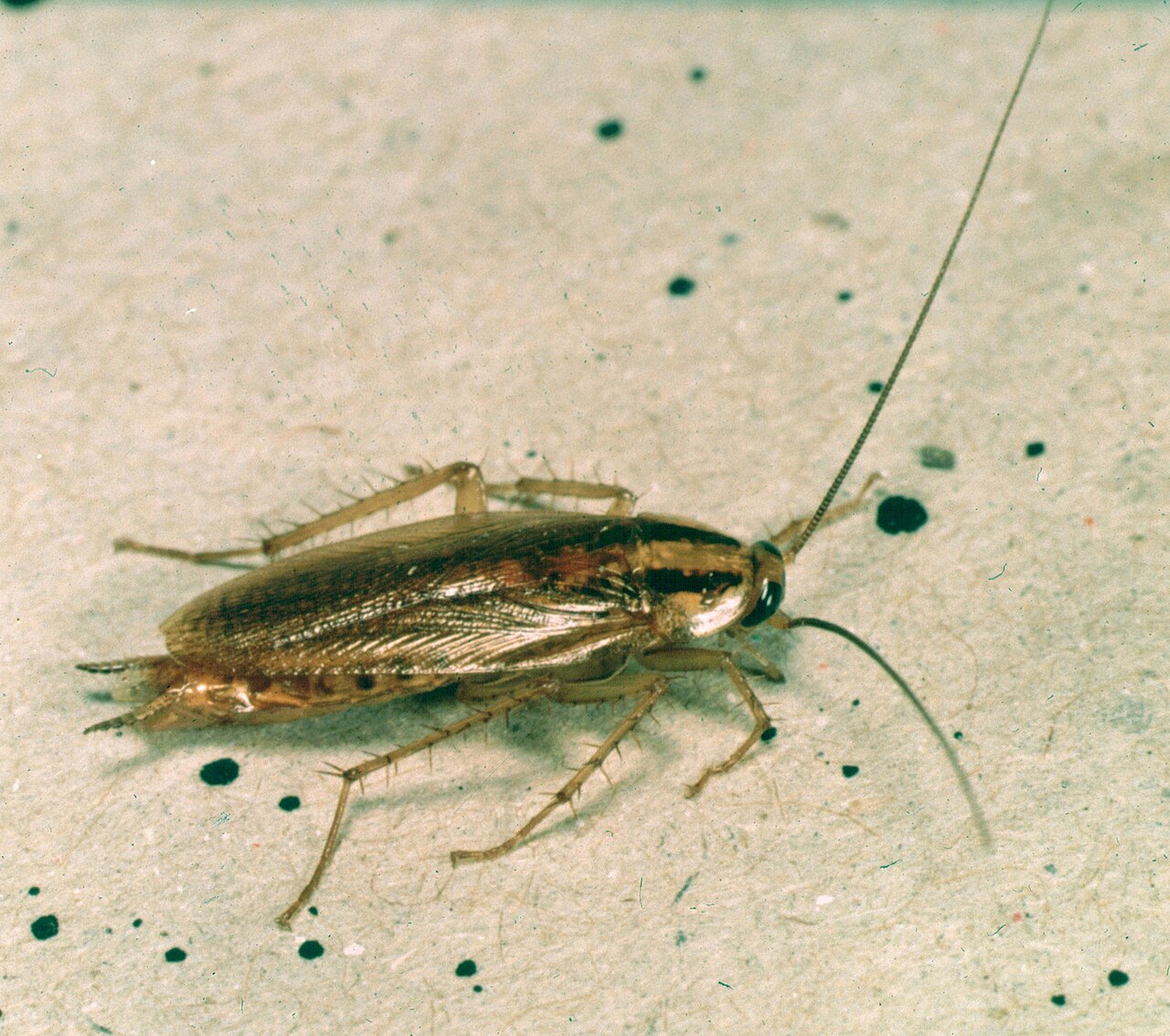

A clear apartment pest report helps the person coordinating an inspection understand the location and pattern. It should describe what was observed without assigning blame, estimating a hidden population, or guessing which unit the insect came from.
This article is a documentation workflow, not advice about lease duties or local housing law.
Start with the exact observation
Record the date, room, and surface. Include the number of insects actually seen and an approximate body length where possible. If you only saw movement, describe it as an unidentified insect until a clearer view is available.
An intact photo supports the species comparison. Keep an image of any suspected egg case or droppings separate from the live-insect image.
A report you can copy into your maintenance system
Subject: Insect identification and inspection request — [unit or private location reference]
“On [date/time], I observed [number] insect(s) on [exact surface]. Identification is [unconfirmed/name and source if confirmed]. Photo A shows the location and photo B shows the insect. Additional observations are listed below. Please arrange identification and inspection of the reported areas, and advise what preparation is needed. Please confirm how I should report further sightings.”
Include the unit reference only in the private channel the building uses. This website’s field notes do not send the message or notify a property manager.
| Date | Location label | Finding | File | Status |
|---|---|---|---|---|
| [date] | K1: cabinet edge | [direct observation] | K1-body.jpg | Identification requested |
| [date] | B1: bathroom floor | [direct observation] | B1-overview.jpg | Separate finding |
| [date] | K1: cabinet edge | [professional conclusion] | [report reference] | Follow-up agreed |
Keep the original sighting and later conclusion on separate rows. This prevents a confirmed identification from being applied retroactively to every unclear shape you previously saw.
Make access and coordination practical
List the rooms where access is needed, any locked area, and times you can provide entry through the building’s usual process. Ask whether belongings should be moved and by whom. Get preparation instructions before emptying multiple cabinets or carrying contents into another room.
Describe visible maintenance issues separately: “drip at the trap under sink,” “gap around pipe,” or “cabinet backing not accessible.” Do not state that another unit caused the problem. Building connections and movement require an inspection, not a conclusion from the nearest wall.
Evaluate the response you receive
EPA’s company-selection guidance supports asking about a provider and its proposed work. For this report, the key questions are concrete: what was identified, which areas were inspected, what remains inaccessible, and what follow-up is planned?
If the appointment produces no visible insect, preserve your earlier images and ask how they will be assessed. If work is scheduled, obtain the preparation and re-entry instructions relevant to the actual method. Keep receipts, reports and dates together without adding unnecessary personal health information to the general observation log.
A report is ready to close when the responsible person has communicated the findings and agreed next steps. A closed maintenance ticket alone is not a biological conclusion. Keep the documented outcome in its original terms.
Common questions
Does a sighting beside a pipe prove an entry route?
No. Record the position, but an inspector needs more evidence to determine the route or source.
Does this article explain tenant or landlord legal duties?
No. It is a documentation workflow. Lease responsibilities and housing requirements depend on the actual agreement and jurisdiction.
Should I claim the insect came from another apartment?
Only report a route you actually observed. Shared-building source questions need inspection; a sighting beside a wall or pipe does not identify another unit as the source.
What if the inspector does not see a cockroach during the visit?
Provide your original images and dated locations, ask how that evidence will be assessed, and request a defined follow-up plan if the finding remains unresolved.
Sources and further reading
- UF/IFAS: German Cockroach ↗
- US EPA: Choosing a Pest Control Company ↗
- EPA’s company-selection guidance ↗
The observation checklists are our editorial organization of the topic. Linked organizations have not reviewed or endorsed this article.