FIELD JOURNALRoom checklists
Possible mouse droppings in a garage: pause before moving boxes
Plan a safe evidence handoff when rodent-like pellets appear among stored items.
IN BRIEF
Pause before moving boxes or cleaning suspected rodent waste. Document accessible locations and consult the full CDC procedure or qualified help for the actual setting.
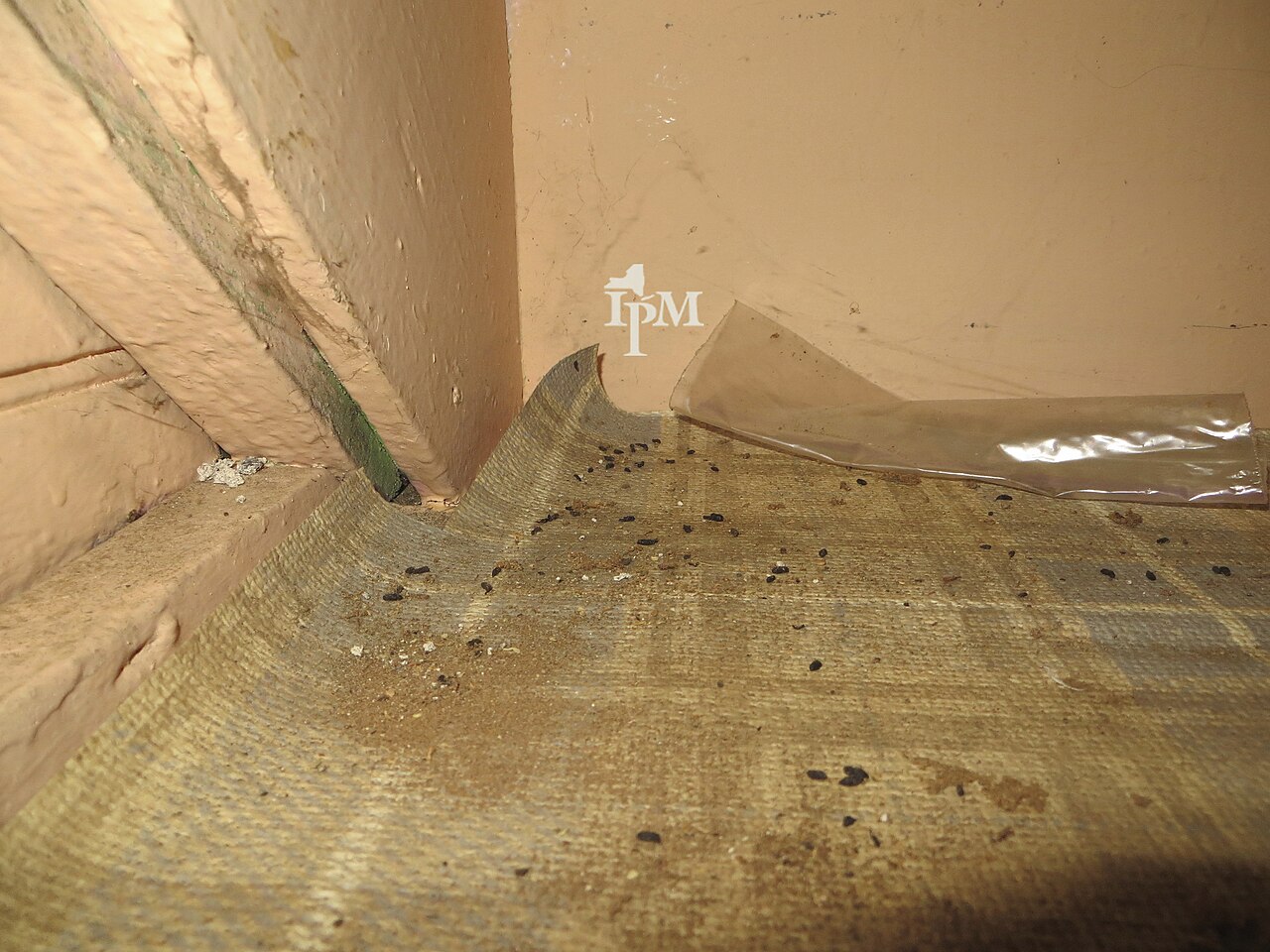
.jpg)
A garage finding can be difficult to interpret when pellets are mixed with dust and stored belongings. The first decision is how to avoid disturbing possible rodent waste while documenting the location. Do not begin by sweeping the floor or vacuuming around the boxes.
CDC’s rodent-cleanup guidance explains why dry disturbance can put contaminated material into the air. Use its full instructions for the setting and seek professional help when the extent or safe access is uncertain.
Decide whether this is a photo task or a cleanup assessment
If the finding may be rodent waste, an untouched scene is more useful than a neatly swept photograph. The CDC rodent cleanup instructions distinguish routine cleanup from heavier contamination and special settings. Use the current instructions for the actual situation rather than an improvised dry-cleaning method.
Stop ordinary box sorting when you would need to handle contaminated belongings or raise dust. Keep children and pets away from the affected area. An existing photograph from a clean position is enough to begin a request for advice; you do not need to touch a pellet to prove its size or texture.
Make a garage map from what you already know
| Location | Finding to record | Related question |
|---|---|---|
| Along a wall or door edge | Visible distribution of suspected pellets | Which accessible locations should be assessed? |
| On or inside a stored box | Box label and contents if already known | How should the affected item be handled? |
| Near stored animal feed | Package condition and direct evidence | Is there a separate food-storage issue? |
| Near a vehicle or equipment | Existing observation without disassembly | Does this require a specialized service? |
Do not crawl behind storage, open equipment or move contaminated material to complete the map. Mark unknown areas as unexamined. The mouse-dropping guide helps describe a comparison; it cannot determine contamination or clear a space for use.
Separate three decisions in the handoff
Identification: explain whether an animal was seen, a specimen was identified, or the concern rests on appearance alone.
Cleanup: describe the approximate extent and what belongings are affected. Ask whether the setting fits routine guidance or needs professional assessment.
Future access: record visible gaps or damaged packaging for the person assessing entry and prevention. A gap near pellets is a location clue, not proof that an animal used it.
Keep the post-cleanup baseline honest
Once appropriate cleanup is complete, note the date, the area addressed and any remaining access limits. Photograph the clean accessible view only when it is safe to do so. Later findings should receive new dates; do not merge them into the original pile.
If new material appears, provide the original and later records to the professional. Ask what the change establishes and what remains uncertain. A lack of new visible pellets in one corner does not describe the condition of unexamined boxes or concealed spaces elsewhere in the garage.
Common questions
Can I vacuum suspected mouse droppings before taking photos?
CDC advises against sweeping or vacuuming during routine rodent-waste cleanup because disturbance can put material into the air.
Do small pellets confirm mice?
No. Other evidence and identification may be needed. Keep the label provisional when the source is uncertain.
Should I move stored boxes to reveal the full area first?
Do not begin ordinary sorting when it would disturb suspected rodent waste. Describe existing access limits and follow appropriate cleanup or professional advice for affected items.
What should I record after cleanup?
Record the date, exact area addressed and remaining limits. Later findings get separate dates so the initial material and subsequent observations are not confused.
Sources and further reading
The observation checklists are our editorial organization of the topic. Linked organizations have not reviewed or endorsed this article.