FIELD JOURNALPrevention and storage
Pantry pest prevention: make stored food easier to check
Use package labels, storage dates, and a simple shelf map to make future pantry evidence easier to interpret.
IN BRIEF
Keep food identity, storage dates, and shelf locations clear so physical evidence can be traced to specific packages. A storage routine supports investigation but does not guarantee pest prevention.
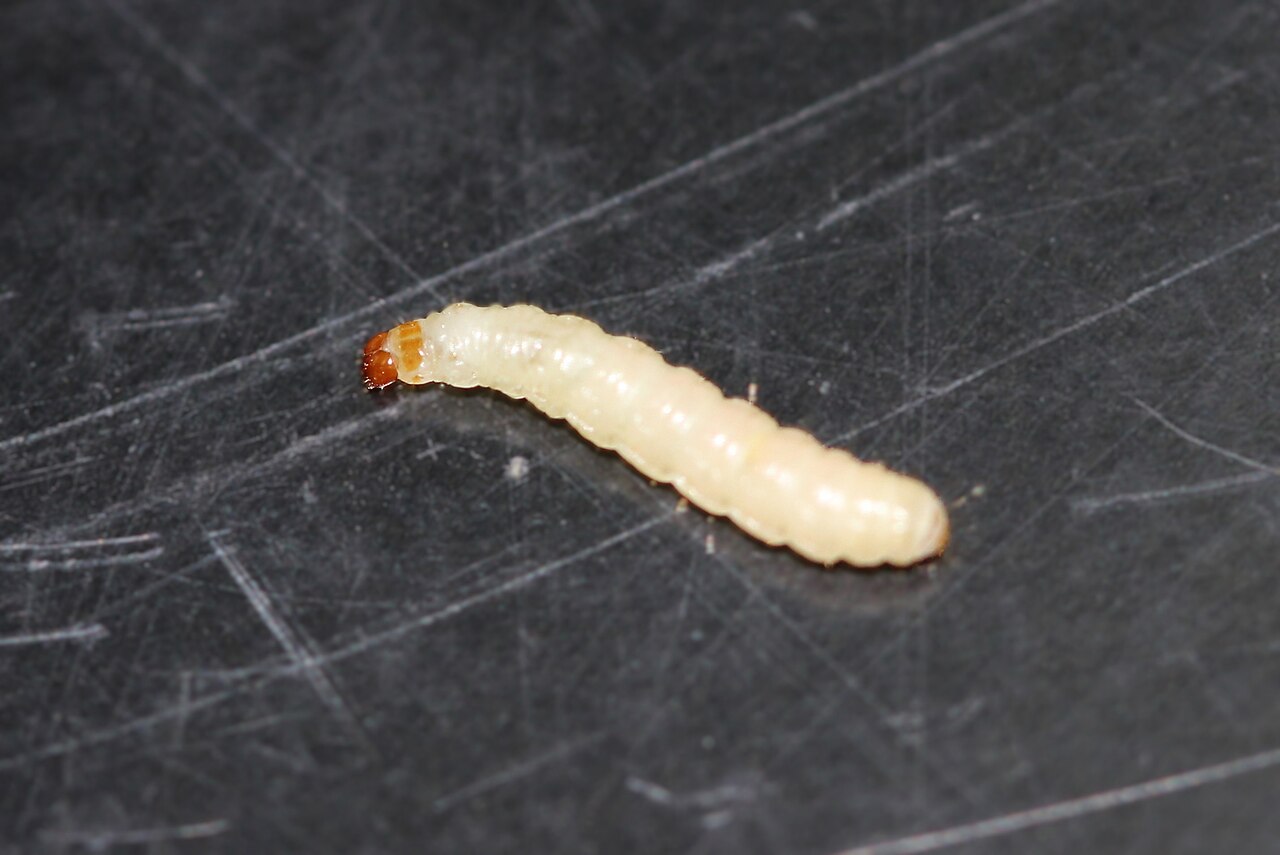

A pantry is easier to investigate when packages and storage locations are easy to distinguish. University extension guidance emphasizes finding affected products and protecting stored food. A tidy record supports those tasks; it does not make a cupboard immune to pests.
Start with the food actually present
Make a short list of dry foods and where they are stored. Include less frequently opened items, pet food, and bird seed when they share the space. Record an opening or transfer date when known. An unknown date should stay unknown rather than being replaced with the day you made the list.
This list helps if you later find a larva on a shelf or ceiling, away from the product involved.
Use a small inventory you will actually maintain
Create a row when a product enters longer-term storage or when a finding makes the history relevant. You do not need to catalogue every daily ingredient. Our worksheet is an editorial organization method; it is not a food-safety certification.
| Product or container | Original package retained? | Opened on | Storage location | Last check or finding |
|---|---|---|---|---|
| [product] | [yes/no] | [date/unknown] | P1: upper shelf | [date and observation] |
| [pet food] | [yes/no] | [date/unknown] | G1: storage area | [date and observation] |
Label a refillable container so its contents can still be traced to a product and opening date. If you combine products, record that change; otherwise a later finding may be impossible to connect to the original packages. Inspect a container before adding new contents rather than assuming its previous condition still applies.
Give different findings different outcomes
Maryland Extension’s pantry reference focuses on locating affected food and cleaning the storage area. Use that guidance when there is actual evidence. A prevention routine should not hide an active source question.
- No visible evidence during this check: record what was actually visible and the date.
- Unexamined or opaque contents: record the limit rather than marking the product clear.
- An insect or webbing in the food: identify and manage the affected product using extension guidance.
- An insect elsewhere in the room: keep it as a separate sighting until a food connection is supported.
For a wandering larva, use the ceiling-to-package workflow. A moth near a cupboard is useful context but is not a package-specific finding.
Record a reset after an affected product is removed
List the package removal date, the storage surfaces cleaned, and which products remain unresolved. If several shelves were not examined, leave them on the follow-up list. This helps someone assisting you see the remaining work without assuming that “pantry cleaned” means every possible source was addressed.
On later checks, use the same location labels. Note a new purchase or refill separately from a new insect sighting. The sequence may identify a useful question, but it should not be presented as proof against a retailer or manufacturer.
Keep the routine proportionate
Choose an ordinary household occasion, such as checking supplies before shopping, to review older or overlooked products. Adjust the routine if an identified problem requires a professional plan. You do not need constant inspection to maintain a usable record. The value comes from clear labels, actual observations and a response to evidence when it appears.
Common questions
Does a closed container prove food was never affected?
No. Packaging appearance does not establish the condition of food before it entered the container.
What should I record after removing an affected product?
Record the product, location, removal and cleaning dates, and any later sightings as separate observations.
Do I need an inventory of every food item?
No. Focus on longer-term stored products and items relevant to an actual finding. A simple, maintainable record is more useful than an exhaustive log that is abandoned.
How should I record a refillable container?
Keep the product identity, opening or refill date and location. Record when contents are combined so a later finding is not assigned to an unknown or incorrect package.
Sources and further reading
The observation checklists are our editorial organization of the topic. Linked organizations have not reviewed or endorsed this article.