PEST EVIDENCE GUIDE / VISIBLE CLUE
Identify pest droppings
Droppings are easy to misread. The same dark speck can look different on wood, fabric, or a kitchen cabinet. Start with location and nearby signs, then use an individual guide for the pest you suspect.
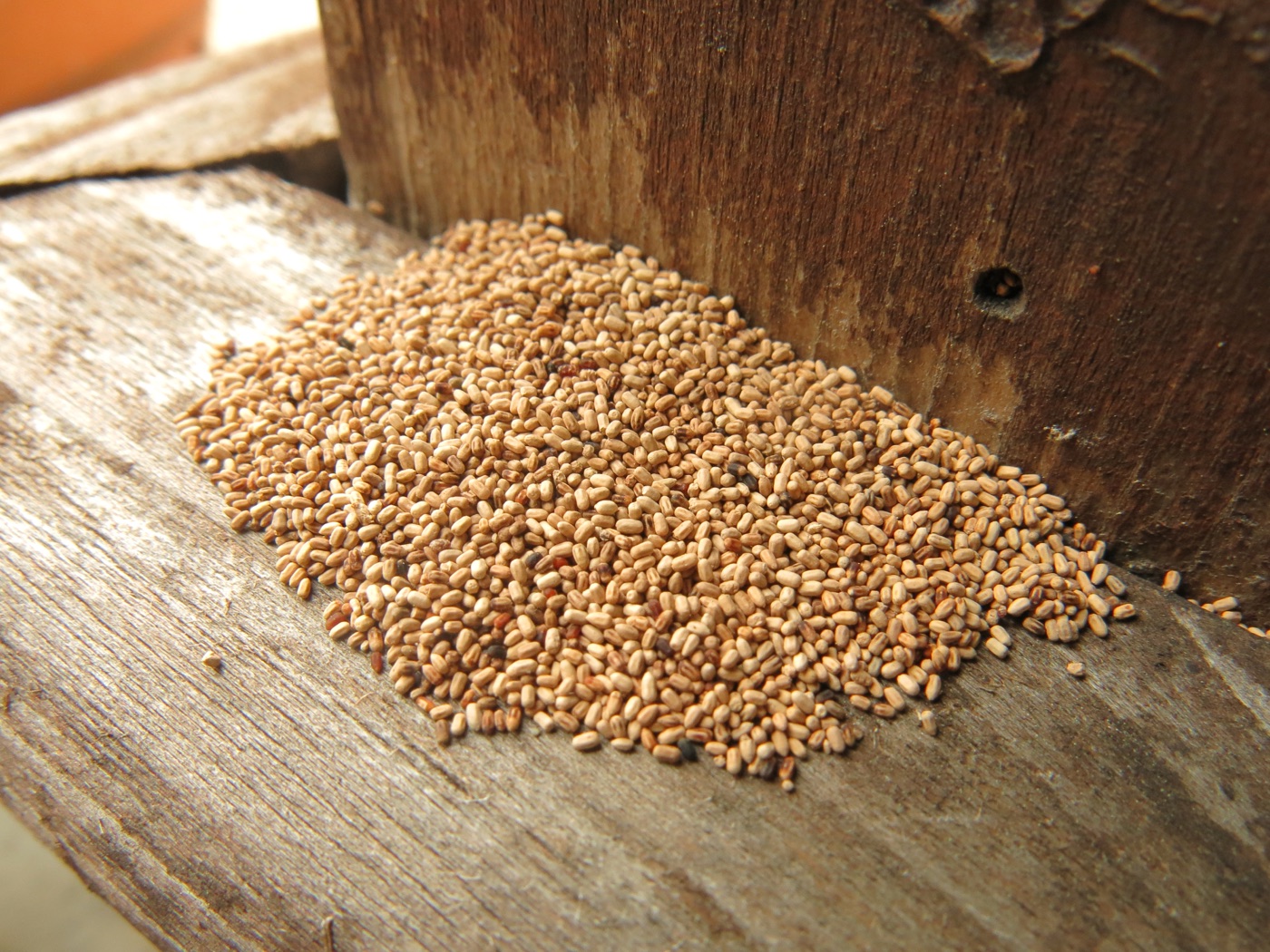

THE RELEVANT EVIDENCE
Guides in this collection
Termite droppings: what to look for
Compare drywood termite droppings with sawdust and other wood-pest debris. See the clues that warrant a professional inspection.
Read guide WOOD CLUESCarpenter ant frass: sawdust-like debris
Compare carpenter ant nesting debris with drywood termite pellets and note the clues around damaged wood.
Read guide DROPPINGSRoach poop and cockroach droppings
Identify likely cockroach fecal specks by their location and accompanying clues, and learn when to seek confirmation.
Read guide DROPPINGSMouse droppings: signs and safe next steps
Learn where mouse droppings may appear, how they compare with rat droppings, and why safe cleanup matters.
Read guide DROPPINGSRat droppings: compare signs safely
Document suspected rat droppings, compare with mouse signs, and follow CDC cleanup guidance.
Read guide DROPPINGSBed bug stains and dark spots
Compare dark spots and reddish stains with other physical bed bug evidence using EPA guidance.
Read guide DROPPINGSFlea dirt: dark specks on a pet or its bedding
Understand flea dirt as a veterinary clue and document where dark specks were found without diagnosing from a stain.
Read guide DROPPINGSSquirrel droppings: why pellets alone are not enough
Assess a suspected squirrel finding using building context and safe observations rather than a pellet-shape diagnosis.
Read guide DROPPINGSBat droppings: guano clues and safe next steps
Document suspected bat guano without disturbing it, and compare roost context with other attic evidence.
Read guide DROPPINGSRaccoon droppings: recognizing a possible latrine
Learn which context suggests a raccoon latrine and why uncertain wildlife waste should be left undisturbed.
Read guide DROPPINGSLizard droppings: a dark pellet with a white portion
Compare suspected gecko or lizard droppings and understand the limits of the white-tip clue.
Read guide DROPPINGSSpider droppings: spotting beneath a web
Assess suspected spider spotting using a visible web, prey remains, and the limits of stain-only identification.
Read guideFROM THE JOURNAL