FIELD JOURNALTravel and secondhand items
Checking a hotel room for bed bug evidence
A travel checklist for documenting a suspected finding and reporting it clearly to hotel staff.
IN BRIEF
Inspect accessible sleeping-area features and the luggage rack, document a suspected physical finding, and report it to hotel staff. Keep the conclusion provisional until it is identified.
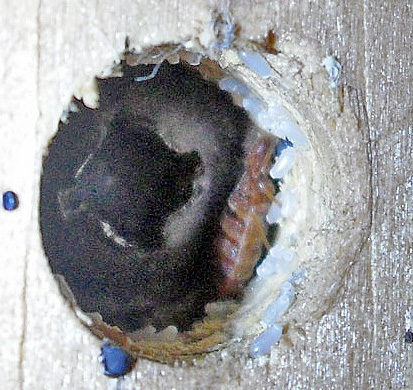

A short hotel-room check should focus on visible physical signs and an appropriate handoff to staff. It cannot prove that a room is free of bed bugs. Keep your belongings contained while making an accessible check and avoid spreading items across sleeping furniture before you have looked.
Before unpacking: a short, bounded check
Keep luggage closed while you decide where to place it. Inspect a luggage rack before use and keep the check limited to accessible areas. These precautions follow the direction of the EPA travel and prevention brochure; they do not certify a room.
Use this sequence to avoid repeatedly circling the room:
- Look at the intended luggage location before opening your bag.
- View accessible mattress edges, tags and seams with a light.
- Look at accessible bed-frame and headboard edges without moving fixed parts.
- Photograph any specific finding in context and close-up.
- Stop and speak to staff if there is evidence to assess or an access concern.
Keep the finding precise. A photograph of a dark spot should be reported as a dark spot. Use the stain comparison and lookalike comparison to understand what a picture may be missing.
Photograph the finding in context
If you see an insect, an empty skin, suspected eggs, or marks, take an overview and a detail image. Record the room and exact surface privately. Avoid including other guests or their belongings in the picture.
Use the bed bug evidence guides as comparisons. An unexplained stain alone is not a confirmed identification, and skin symptoms should not be treated as proof of the animal responsible.
A useful conversation with staff
An illustrative report is: “I found this insect on the outside mattress seam shortly after arriving. This image shows the location and this one shows the body. My luggage has remained closed. Can you arrange an assessment and explain the next steps for the room and my belongings?”
Ask whom to contact if new evidence appears, and keep the response with the date. If another room is offered, ask staff to explain their handling plan; a room change by itself does not answer questions about any belongings that were already exposed. Avoid making claims about neighboring rooms or the whole hotel from one unresolved image.
If the finding appears after unpacking
Record where the relevant bag or clothing was placed and when you noticed the evidence. You do not need a minute-by-minute reconstruction. A short factual sequence is more useful than filling memory gaps with assumptions.
Ask for instructions before moving possessions through other rooms. Do not use an unfamiliar pesticide on luggage, bedding or your body. Keep medical questions separate from the room report. The hotel’s response and an insect identification cannot diagnose a skin reaction.
Preserve the useful record after leaving
Keep the original images, observation dates, staff contact and any confirmed identification. Retain booking details privately; they do not belong in a public insect photograph. If you seek follow-up advice at home, provide the actual evidence and what was known about belongings, rather than assuming that every item is affected.
A room with no visible evidence during a brief check should be recorded with that limit. If concern persists, use a qualified assessment to decide whether further action is warranted. Repeating an undirected search of every possession can consume time without producing better evidence.
Common questions
Should I dismantle hotel fixtures to inspect?
No. Use safe accessible views and report areas or findings that need staff or professional assessment.
Is a stain enough to report a confirmed infestation?
No. Report the actual stain or specimen and its location, with photographs. A confirmed identification requires appropriate evidence.
Does moving to a different room resolve questions about luggage?
A room change does not assess the belongings themselves. Ask staff or a qualified professional for handling advice based on where the bags were placed and the evidence found.
What information should I keep private in a shared photograph?
Remove booking references, identity documents, room-access details and other guests’ belongings. Keep the original record privately and share only what the recipient needs.
Sources and further reading
- US EPA: Bed Bug Prevention, Detection and Control ↗
- US EPA: Protecting Your Home from Bed Bugs ↗
- EPA travel and prevention brochure ↗
The observation checklists are our editorial organization of the topic. Linked organizations have not reviewed or endorsed this article.