FIELD JOURNALTravel and secondhand items
Checking used furniture for bed bug evidence before bringing it home
A pre-move observation checklist focused on physical evidence, inaccessible areas, and when to pause the purchase.
IN BRIEF
Check accessible furniture features before bringing an item home, document physical findings, and pause when the evidence is unresolved. A brief look is not a pest-free certificate.
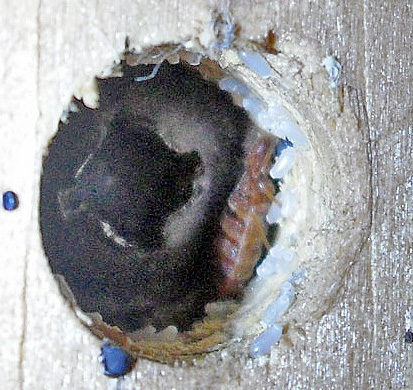

EPA recommends checking secondhand furniture for bed bug signs before bringing it home. The useful moment for that check is before the item joins your other belongings. A quick look cannot certify a piece as pest-free, but it can reveal evidence or inspection limits that affect your decision.
Agree on what can be examined
Ask to view accessible seams, joins, undersides, and removable parts that can be handled safely. Do not force a mechanism, dismantle the seller’s property, or move a heavy item alone. Record any area that could not be checked.
The checklist is an observation aid. It is not a seller warranty, a condition report, or a replacement for a professional inspection when there is a concern.
Match the check to the type of furniture
Use a light and take photographs with the owner’s permission. The aim is to understand accessible parts before deciding whether to accept the item. EPA’s home prevention guidance specifically includes checking secondhand furniture before it comes indoors.
| Item | Accessible places to discuss with the seller | Information that remains missing |
|---|---|---|
| Upholstered chair or sofa | Seams, cushion edges, visible joins and underside | Interior layers and enclosed mechanisms |
| Bed frame or headboard | Joints, screw areas and accessible edges | Sealed cavities or surfaces against a wall |
| Nightstand or cabinet | Visible drawer joints and accessible underside | Areas blocked by fixed components |
| Mattress or box spring | Piping, tags, seams and accessible edges | Concealed interior and inaccessible faces |
A seller’s willingness to show these areas is useful, but it is not a biological test. Equally, a limited inspection may simply reflect a heavy or fixed item. Describe the limit without assigning motives.
Record physical findings separately
Take an overview of the item and close-ups of any insect, skin, suspected egg, or stain. Keep those categories separate. Use the stain guide and egg guide to decide which additional features need to be visible.
A dark mark may have an unrelated cause. An actual insect may be a lookalike. Neither should be renamed from a single unclear photograph.
Ask useful history questions
Ask whether the item has been in storage, whether any pest concern was reported, and whether any treatment or cleaning records are available. Record answers as the seller’s account, not as independently confirmed facts. A verbal “it was treated” leaves important questions about the finding, date, method and follow-up unanswered.
If a treatment is claimed, ask to see the relevant written information. Avoid accepting a vague assurance as a substitute for inspecting what is accessible. You are deciding whether you have enough information to bring the object into your home.
Use a decision record
Proceeding: record the areas checked and that no visible evidence was found there. This is a limited observation, not a guarantee.
Pausing: keep the item out of your home while an actual insect or ambiguous evidence is assessed. Save the images and the question you asked.
Declining: you can decline an item because inspection is incomplete or you are uncomfortable with the uncertainty. You do not need to diagnose an infestation to make that choice.
If you already accepted the furniture, record the route and rooms it passed through from memory without guessing. Tell the professional where it is now and which belongings were in contact with it. Do not move it to another household or offer it to someone else while an unresolved concern is being investigated. Ask for item-specific handling advice.
For a broader room check after a finding, use the bed bug observation workflow. It provides a way to record the surrounding area without treating the original purchase as proof of the source.
Common questions
Can a freshly cleaned surface rule out bed bugs?
No. Surface cleaning does not show that concealed areas have been examined or that a species was correctly identified.
What if I cannot safely see the underside?
Record it as inaccessible. Do not move heavy furniture alone or force parts simply to complete a checklist.
Can wood furniture carry a bed bug concern too?
Include accessible joints and edges in the check; this workflow is not limited to mattresses. A clear specimen or professional assessment is needed to identify any finding.
What should I do if the item is already in my home?
Record its current location and known movement, photograph any finding, and seek identification and item-specific handling advice before moving it through more rooms or to another household.
Sources and further reading
The observation checklists are our editorial organization of the topic. Linked organizations have not reviewed or endorsed this article.