FIELD JOURNALRoom checklists
How to check for bed bugs using physical evidence
A calm observation checklist for sleeping areas, with limits on what stains, eggs, and skin marks can establish.
IN BRIEF
Look for physical evidence in accessible seams and joins, photograph each finding, and keep uncertain marks separate from confirmed insects. A brief check cannot certify a room as clear.
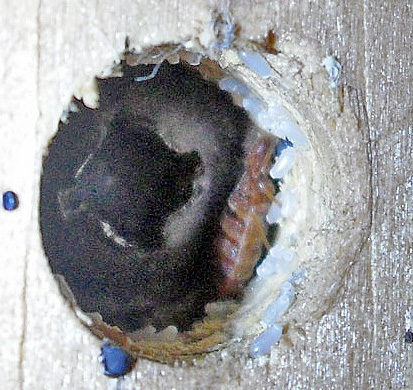

The aim of a first check is to find physical evidence worth identifying. It is not to prove that a room is clear after one quick look. EPA recommends looking for insects and related signs because skin bites are a poor indicator on their own.
Prepare a simple record
Open a field note and label the room. Have a light and camera ready. Keep your observations specific: an empty skin, a moving insect, a pale speck, and a dark mark are different findings. Do not rename all four “bed bugs” before they have been assessed.
Choose accessible areas you can inspect without moving heavy furniture. Avoid spreading belongings between rooms while investigating a suspected problem.
Work through one accessible sleeping area
Choose a starting point so you can distinguish checked surfaces from unchecked ones. This is an observation sequence, not a prescribed professional inspection standard.
| Area | What to record | Access limit to note |
|---|---|---|
| Mattress edge | Visible seams, piping and label area; any object or mark | Face against a wall or underside not safely visible |
| Bed base and frame | Accessible joins and edges near the mattress | Heavy sections, closed cavities, fixed fittings |
| Headboard | Accessible front, edges and attachment area | Fixed or heavy parts that cannot safely be moved |
| Nearby upholstered seating | Accessible seams and cushion edges | Mechanisms and concealed fabric layers |
The EPA finding guide describes physical signs and common hiding locations. The table above turns those locations into a record of what you could actually see. Leave electrical equipment and concealed spaces to qualified professionals.
Keep three evidence categories separate
- Insects and cast skins: use the lookalike guide. Very similar relatives may require specialist examination.
- Suspected eggs: use the egg guide, while keeping uncertain pale debris labeled uncertain.
- Marks on fabric or furniture: use the stain guide. A mark is supporting context, not an identification by itself.
A phone image that cannot resolve the specimen is still useful for recording its location. Tell an identifier what detail is missing rather than increasing digital sharpening until the object appears recognizable.
Make the result actionable
Use one of these statements for each area:
- Possible insect found: “Image B1 shows the whole insect; identity requested.”
- Other evidence found: “Image B2 shows a dark mark; no insect seen at this location.”
- Nothing visible in the checked area: name the area and the date.
- Not checked: explain the access limit without treating it as a negative result.
This structure is useful if someone else later inspects the room. They can follow up on a particular seam or object without repeating a vague whole-room search. Keep a suspected egg separate from a stain, even when both are nearby.
If you find a possible specimen
Photograph it in place if that can be done safely. Ask the identifier whether a specimen is needed and how to retain it. Avoid repeatedly relocating bedding or furniture while trying to create an ideal photograph. If you rent, use your normal maintenance reporting channel and preserve the date of the report.
Request a clear answer about the evidence, the scope of inspection, and what should happen next. A recommendation for treatment should name what has been identified. If only marks are available, ask what would resolve the uncertainty rather than accepting a species name based on marks alone.
If you find no evidence
Write down the limits of the check, then stop repeating the same inspection without a purpose. Continued concern is a reason to ask for a defined professional assessment or monitoring plan. Agree on what observation would trigger another contact. Keep health questions with a healthcare professional; the presence, absence, or pattern of a skin reaction is not a dependable household identification test.
Common questions
Do bites confirm bed bugs?
No. EPA treats bites as a poor indicator. Look for physical evidence and seek medical advice for concerning symptoms.
What does a check with no visible evidence mean?
It means no evidence was seen in the areas checked at that time. It does not prove that inaccessible places are clear.
How long should I keep searching if I find nothing?
A fixed number of minutes cannot certify a room. Record the accessible areas checked and their limits, then ask for a defined assessment or monitoring plan if concern continues.
Should I throw away a mattress after finding an unexplained mark?
An unexplained mark does not identify bed bugs. Preserve the observation and obtain identification or inspection advice before making a disposal decision.
Sources and further reading
The observation checklists are our editorial organization of the topic. Linked organizations have not reviewed or endorsed this article.