FIELD JOURNALCockroach observations
A wood cockroach in the house: visitor or indoor pest?
Use identification and entry context to interpret a possible outdoor cockroach without assuming indoor breeding.
IN BRIEF
Confirm the insect before interpreting an indoor sighting. Outdoor wood cockroaches may arrive accidentally, while other cockroaches can require a different assessment.
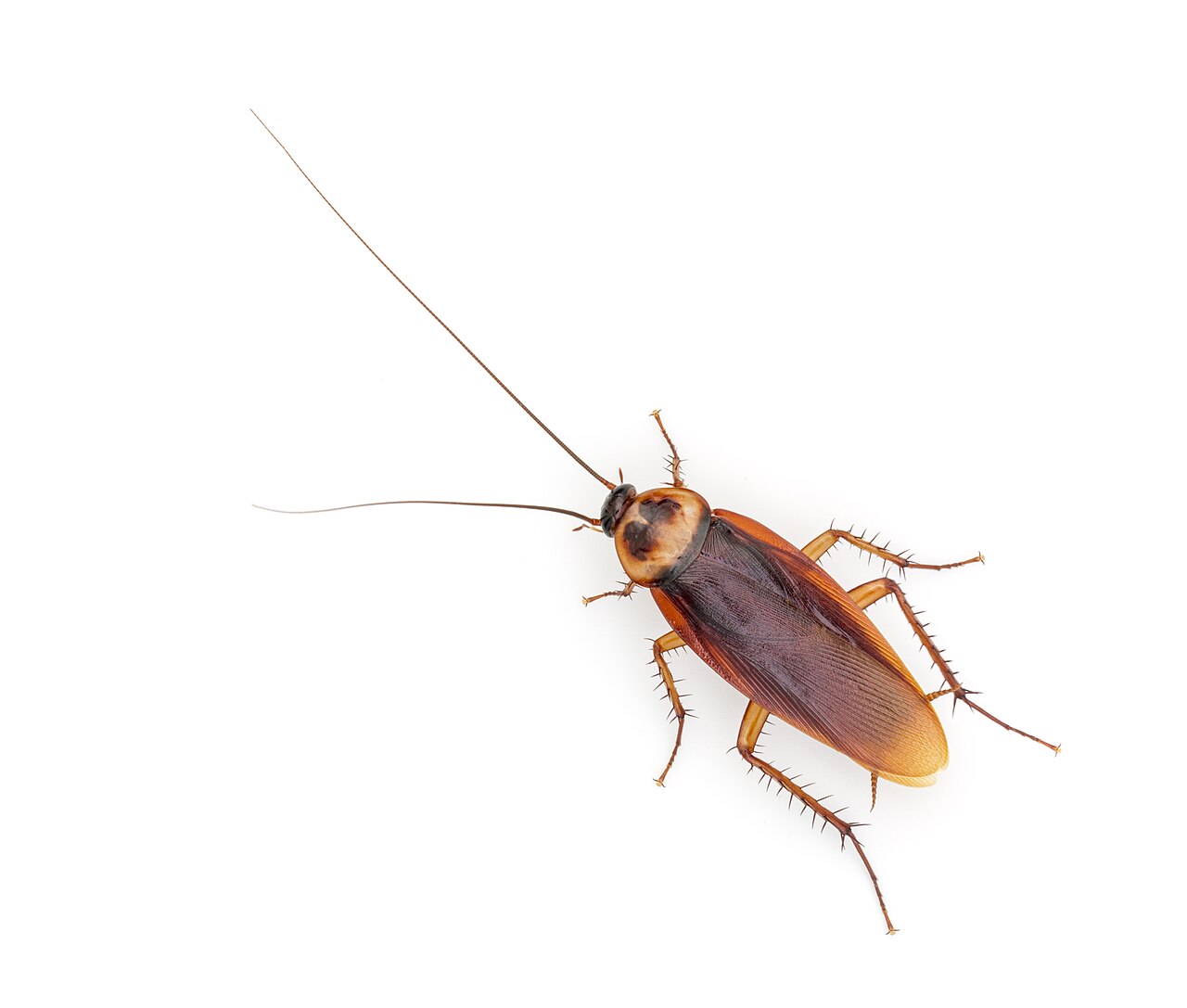
_(cropped).jpg)
Not every cockroach found indoors has the same relationship with a building. Penn State describes North American wood cockroaches as outdoor decomposers that sometimes enter accidentally. Correct identification matters because a visitor and an indoor-breeding pest can call for different responses.
Begin with a specimen, not the nickname
“Wood roach” is not a dependable identification when it is being used simply because an insect was found near firewood. Photograph the complete body and note the approximate size. Some life stages are difficult to separate even within the wood-cockroach group.
Use the roach comparison guide to organize the visible features, then ask extension to confirm uncertain specimens.
Separate an identification from an entry explanation
Penn State’s wood-cockroach guidance describes native outdoor species that sometimes come indoors. It also explains that species-level identification can be difficult for females and immature stages. An answer such as “wood cockroach group” may therefore be useful even without a precise species name.
Build the record in two parts:
| Identity question | Entry question |
|---|---|
| Is the whole insect visible? | Where was it first seen? |
| What is the approximate body length? | Was an outside door or window open? |
| Which features can the identifier assess? | Was it directly observed on incoming firewood or another item? |
| Is a species or only a broader group supported? | Which parts of the proposed route are unknown? |
A correct group identification does not prove a particular log carried the insect inside. A directly observed insect on a log does not identify its species. Keep both statements at the level the evidence supports.
Check accessible entry conditions after identification
If the finding is confirmed as an accidental outdoor visitor, look at accessible screens, door edges and the path used to bring outdoor materials inside. Record a visible gap or damaged screen for maintenance. Do not seal an unidentified occupied cavity or dismantle fittings to follow a disappearing insect.
Keep outdoor-storage observations simple: where material was kept, when it was brought in, and where the specimen appeared. Avoid turning a single event into a claim that all stored wood or belongings are infested.
What would make a new assessment useful?
Another unidentified insect should receive its own photograph. Compare whether it has the same visible form; do not assume it is the same species because it is brown. Repeated findings in a different room, a different-looking immature insect, or an egg-case-like object are reasons to provide new evidence to the identifier.
Ask whether the additional finding changes the explanation or management recommendation. If it does not, record why. If uncertainty remains, use the professional question list to request an assessment with a defined scope.
This approach prevents two opposite mistakes: escalating every confirmed outdoor visitor into an indoor breeding claim, or dismissing an unresolved indoor pest as a wood cockroach because firewood happened to be nearby.
Let the identification guide the response
Penn State’s wood-cockroach guidance emphasizes exclusion rather than routine indoor pesticide treatment for confirmed accidental visitors. That recommendation depends on the identification being right. If the insect is unresolved or sightings continue, seek a professional assessment before choosing a product.
Use field notes to save the image filenames, known entry context, and confirmed result. The useful distinction is not whether the insect looks alarming; it is whether the observed species and setting support a specific explanation.
Common questions
Does finding a roach on firewood confirm a wood cockroach?
No. It provides context, but the insect still needs identification.
Should confirmed accidental wood-roach visitors be treated like German cockroaches?
No. Penn State emphasizes exclusion for wood cockroaches. An uncertain identification should be resolved before choosing management.
Do I need a precise wood cockroach species name?
A qualified identifier may be able to establish the group without resolving a species, particularly for immature insects. Ask whether a more precise answer would change management.
What if a later roach looks different?
Photograph it as a separate finding and request a new comparison. Do not extend the first identification to every subsequent insect without supporting features.
Sources and further reading
The observation checklists are our editorial organization of the topic. Linked organizations have not reviewed or endorsed this article.