FIELD JOURNALWood and structure
Termite damage or water damage? Separate the observations
Build a clearer inspection brief when damaged wood, staining, and possible insect evidence occur together.
IN BRIEF
Separate visible moisture observations from insect evidence and ask for the appropriate pest and structural assessments. Surface discoloration alone cannot establish the cause.
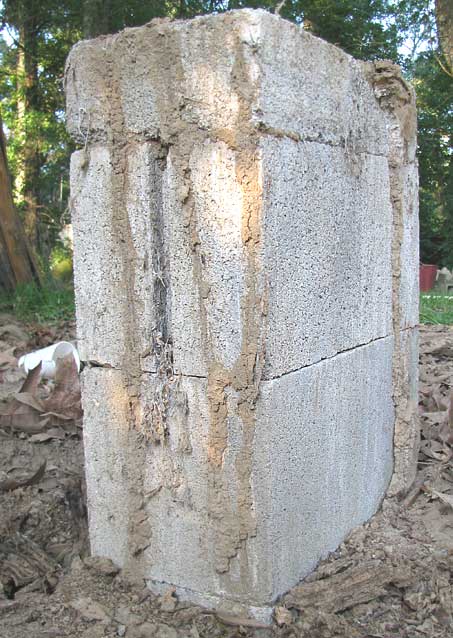

A stained, softened, or damaged board can raise more than one question. Moisture and wood pests can occur in the same area, and a surface photograph cannot reliably establish the cause or the extent. The useful first step is to separate the observations so the right person can assess each one.
Photograph the boundary of the problem
Take an accessible overview that includes apparently unaffected material as well as the visible damage. Add a detail view if it can be obtained without cutting, scraping, or probing. Note which face of the board is visible and which parts are concealed.
Do not test a structural member by forcing a tool into it or standing on a suspect surface. If structural safety is uncertain, keep clear and arrange a qualified assessment.
Compare observations without forcing a single cause
| What you can see | What it establishes | What remains to assess |
|---|---|---|
| A current drip or wet surface | Water is present at the time observed | Where it originates and what damage it has caused |
| A stain on otherwise concealed wood | A visible color change | Cause, age and concealed condition |
| Tube-like material or pellets | A physical clue that can be examined | Maker, relationship to the wood and activity |
| Channels exposed during a repair | A visible pattern in the material | Cause, extent and structural significance |
| An identified insect | That specimen’s identity | Whether it caused this damage or is nesting nearby |
University of Minnesota’s carpenter-ant guidance describes the relationship between nesting and moisture-damaged wood. This is one reason an insect question and a moisture question may both need attention. It is not a rule that every damp board contains carpenter ants.
Build a timeline that allows unknowns
Use four dates if you have them: the last known satisfactory view, the first visible change, a known water event, and any repair or pest assessment. Leave a date unknown when no record exists. A stain first exposed during renovation may predate the renovation; that is different from saying it definitely does.
An illustrative note is: “Trim removed on September 20; staining already present on the concealed face; no earlier photograph available; leak repaired September 22.” This describes the sequence without deciding when the damage began.
Coordinate the handoff between specialists
Tell each person which question remains open. The pest professional may assess insect evidence; a plumber or building specialist may investigate moisture; structural questions may require another qualified assessment. Ask each to put findings and limits in writing so a repair is not mistaken for proof that all other issues were resolved.
Before an accessible surface is covered during repair, request photographs from the person doing the work. Do not delay an urgent safety repair merely to preserve a better pest image. Keep location labels consistent across the records, and note which areas were replaced or became concealed.
For later comparison, photograph from the same safe position when possible. A larger visible patch after material was removed may reflect greater access, rather than new deterioration. Explain that difference when asking about a changed appearance.
Common questions
Can moisture and pest damage occur together?
Yes. Do not assume that finding one explanation rules out every other issue. Record each visible sign separately.
Can a photograph establish whether a damaged beam is safe?
No. Structural condition requires a qualified assessment. Do not test suspect wood by standing on it or probing it yourself.
Does a bigger exposed area prove the damage has spread?
Not necessarily. Removing a covering may reveal damage that was already concealed. Record the change in access along with the photographs.
Who should decide whether repairs or pest work come first?
The relevant qualified professionals should coordinate based on the actual condition and any safety concern. Keep the moisture, pest and structural findings explicit so one task is not assumed to resolve the others.
Sources and further reading
The observation checklists are our editorial organization of the topic. Linked organizations have not reviewed or endorsed this article.